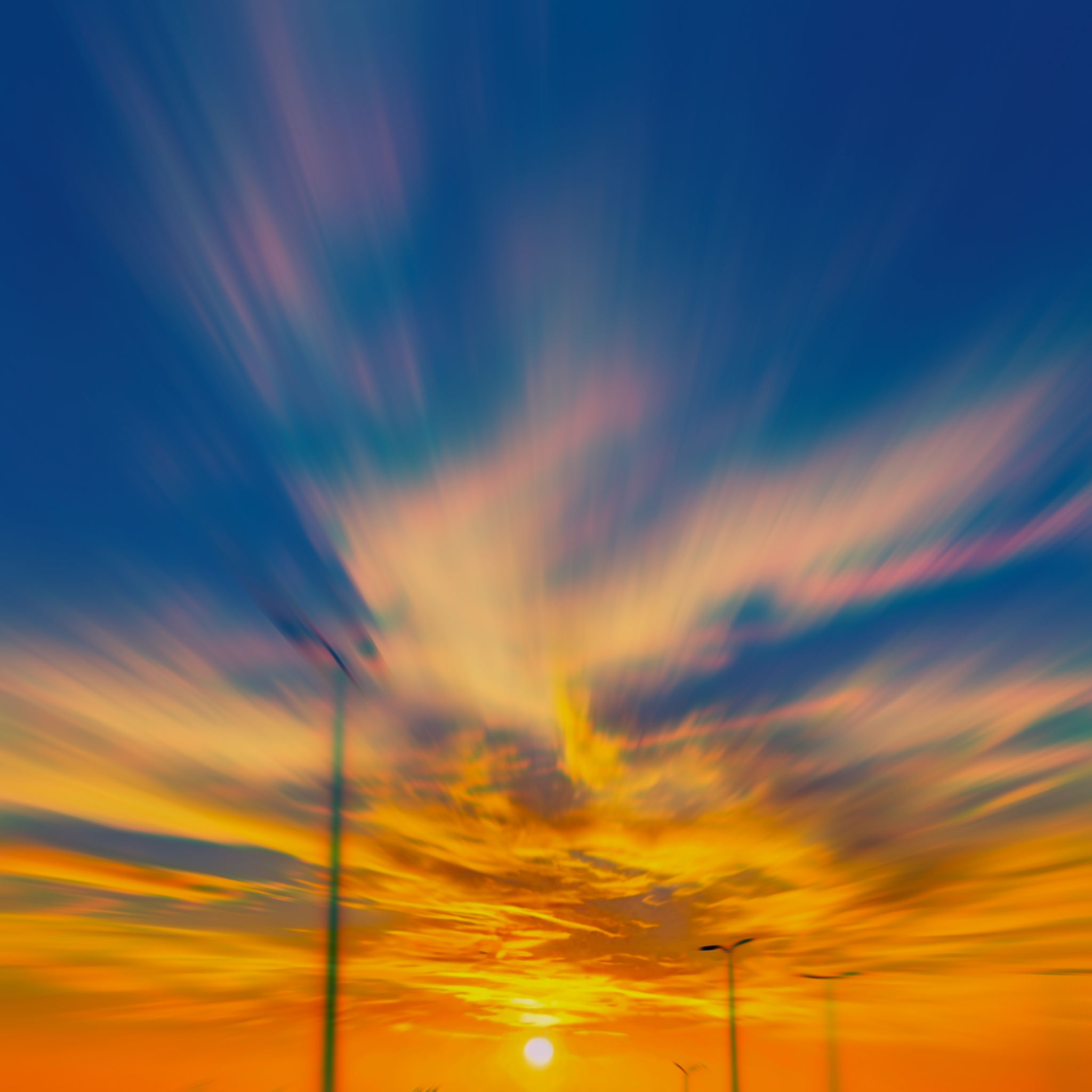
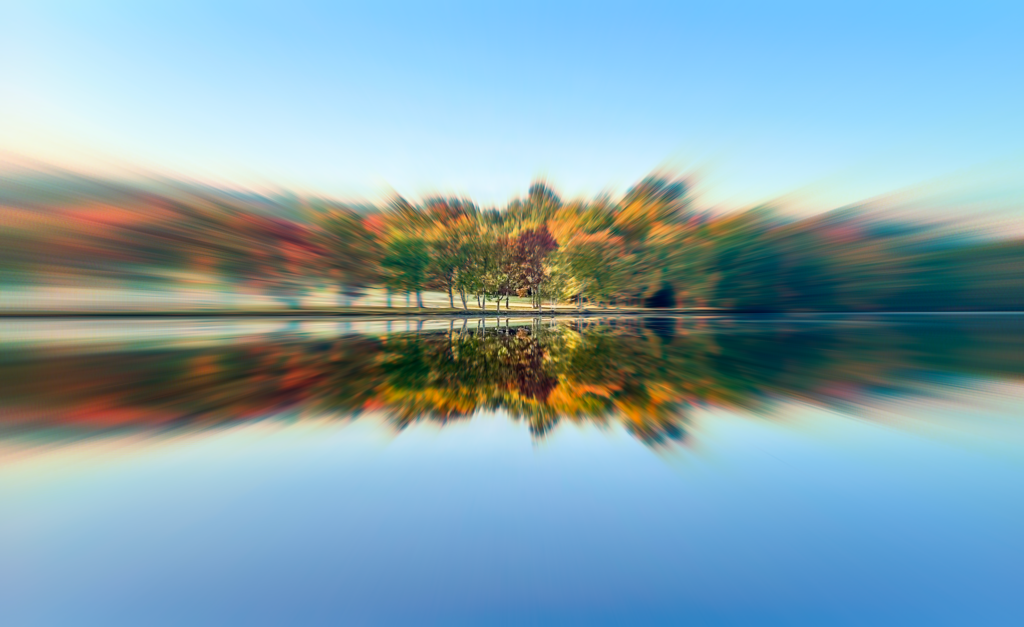
In a world dominated by screens, there’s something grounding about surrounding yourself with Nature Digital Art Wallpaper. I recently revamped my home office, swapping generic prints for high-resolution nature-inspired wallpapers. The difference was immediate—suddenly, I wasn’t just looking at a wall; I was immersed in a digital forest where light filters through leaves and rivers glisten in pixel-perfect detail.
The Timeless Charm of Black and White
While digital art brings color and vibrancy, I’ve found a special fascination in Fine Art Black And White Photography. Stripped of color, every shadow, curve, and texture tells a story. I remember visiting a gallery where a simple black and white shot of a misty mountain ridge evoked more emotion than a thousand colored landscapes. It’s a reminder that minimalism can carry profound depth.
Bridging Digital and Nature
Photography has also evolved with the digital age. Fine Art Digital Nature Photography allows artists to capture the subtle essence of wildlife, forests, and landscapes with precision. One of my favorite local photographers blends high-resolution imaging with subtle post-processing to highlight natural patterns invisible to the naked eye. These images don’t just decorate—they invite viewers to slow down and observe.
Acrylic Painting: A Tangible Connection
While digital mediums dominate, nothing compares to the tactile beauty of Acrylic Painting Wildflowers. I recently tried my hand at painting a meadow scene, layering colors to create depth and movement. Unlike digital art, acrylics engage every sense—touch, sight, even the faint scent of paint in the studio. There’s an intimacy here; each brushstroke carries intention, patience, and a personal narrative.
Harmonizing Styles in Your Space
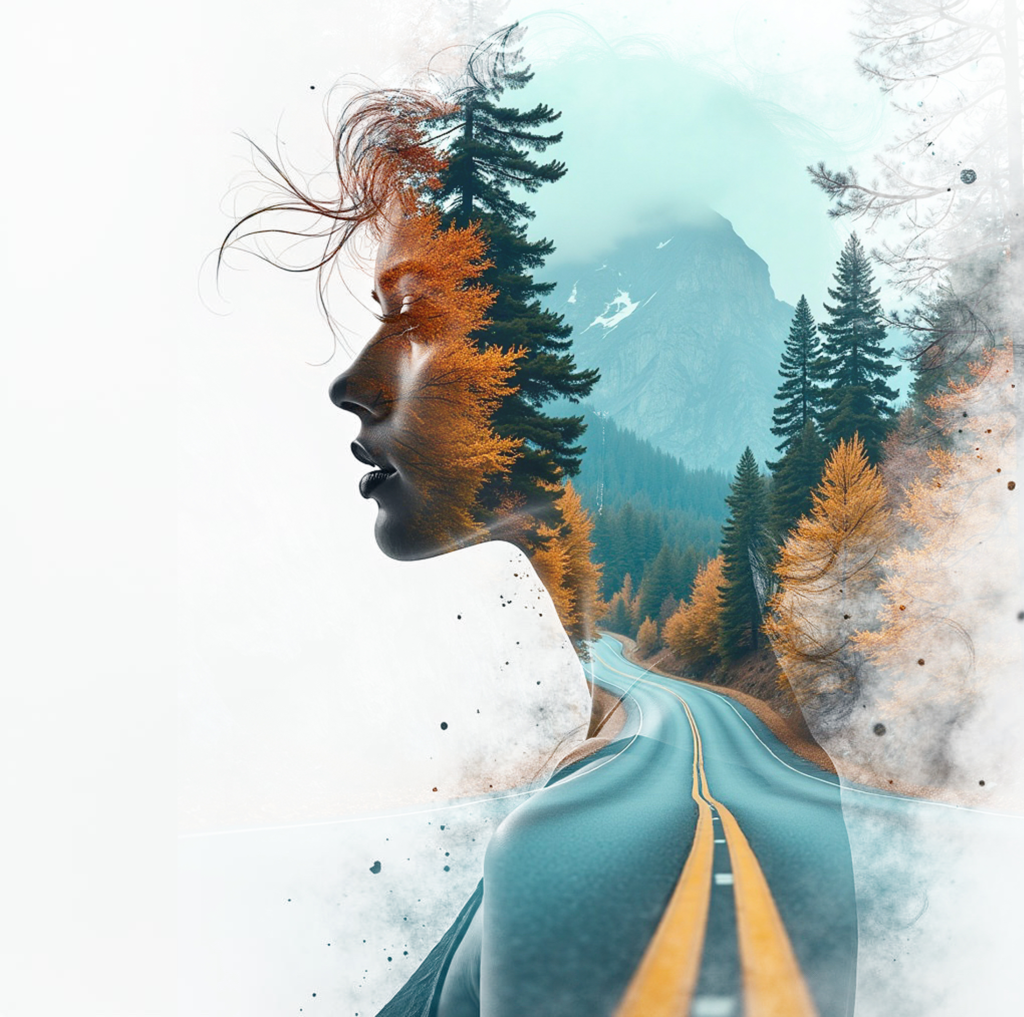
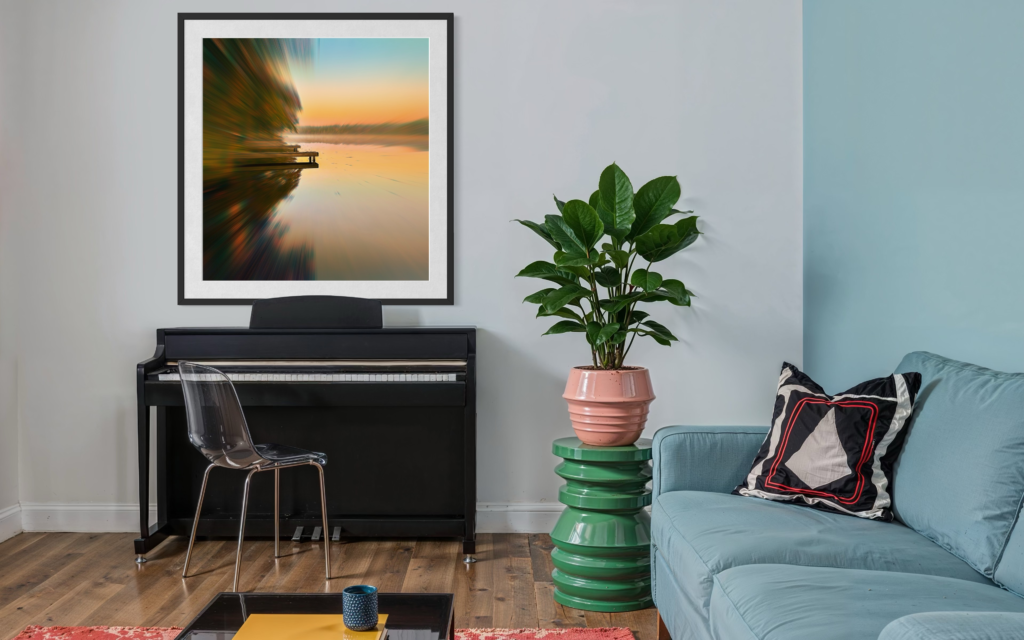
What excites me most is blending these mediums. Imagine a living room with a serene Nature Digital Art Wallpaper accent wall, accented by a few Fine Art Black And White Photography frames, and an Acrylic Painting Wildflowers piece on a side table. The contrast between digital precision and human touch creates a balanced, inspiring atmosphere. It’s not just about decoration; it’s about crafting a space that resonates with creativity and tranquility.
Practical Tips for Art Lovers
- Mix digital and physical art to avoid a one-dimensional feel.
- Choose black and white pieces for a timeless, contemplative touch.
- Rotate digital wallpapers seasonally to keep your environment fresh.
- Experiment with acrylics—even small canvases make a big impact.
- Curate pieces that personally inspire you; authenticity is key.
Conclusion
Exploring Nature Digital Art Wallpaper, Fine Art Black And White Photography, Fine Art Digital Nature Photography, and Acrylic Painting Wildflowers isn’t just a trend—it’s a lifestyle. Each medium offers unique ways to connect with nature, aesthetics, and your own creative instincts. Whether you’re a digital aficionado or a traditional painter, the journey of blending these art forms can transform your environment and mindset.
Frequently Asked Questions
1. What makes Nature Digital Art Wallpaper special?
It immerses spaces with vivid natural scenes, combining modern technology with a calming aesthetic.
2. How does Fine Art Black And White Photography differ from color photography?
It emphasizes texture, light, and contrast, evoking emotion without relying on color.
3. Can Fine Art Digital Nature Photography replace traditional photography?
Not replace, but it enhances storytelling with higher resolution, creative editing, and accessibility.
4. Are Acrylic Painting Wildflowers suitable for beginners?
Absolutely. Wildflowers offer forgiving forms and vibrant colors, perfect for experimenting with acrylics.
5. How can I blend digital and traditional art effectively at home?
Use digital wallpapers as a backdrop, layer with framed photography, and place acrylic pieces for tactile contrast.
It’s fascinating how digital and traditional art forms can complement each other. Reading about your experience with acrylic wildflowers reminded me that there’s a unique depth in tactile art that digital images alone can’t capture. It makes me think about the balance between immersion and hands-on creation in experiencing nature.